



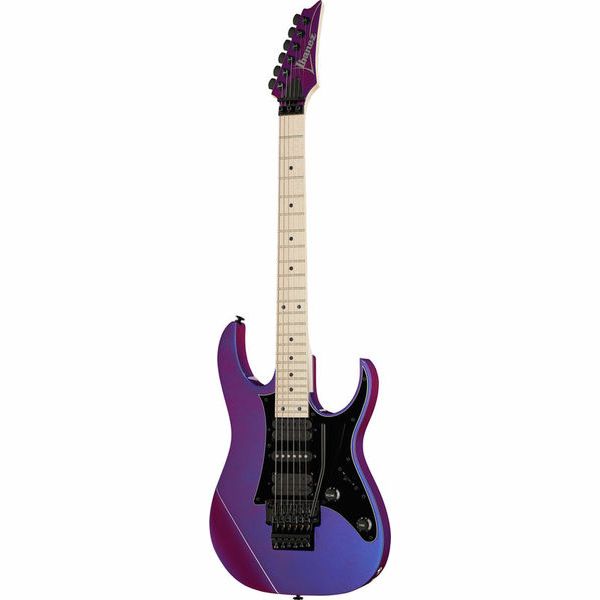
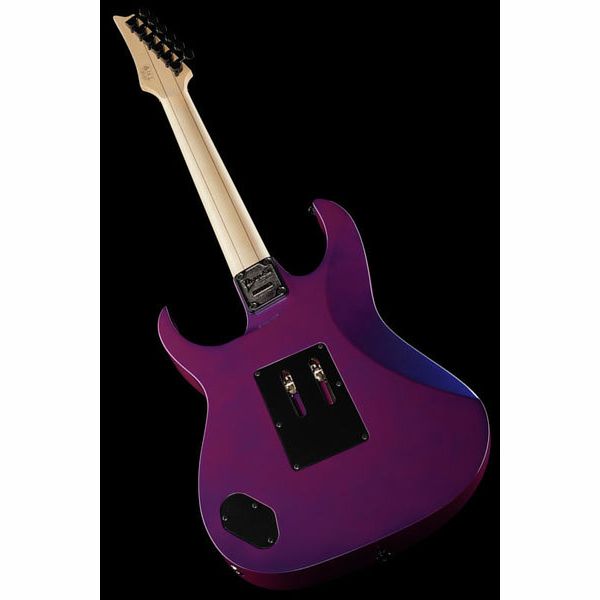

It came not in tune and did require setup (requiring taking the bridge out), but that's expected, wouldn't subtract points for that since it can be done at home with a screw driver and the included keys. The neck was straight, action was ok, but it was higher on the 6th string side (which I fixed because the whole bridge was crooked, not sure if it's normal for it since the knife edges are on a straight line)
Pros:
+ the neck is indeed very thin and comfortable. Not that a thicker neck is a problem for me, but I don't find this one "too thin" or tiring for the hands like some people suggest it may be. Good for riffs, scale-type things and barre chords
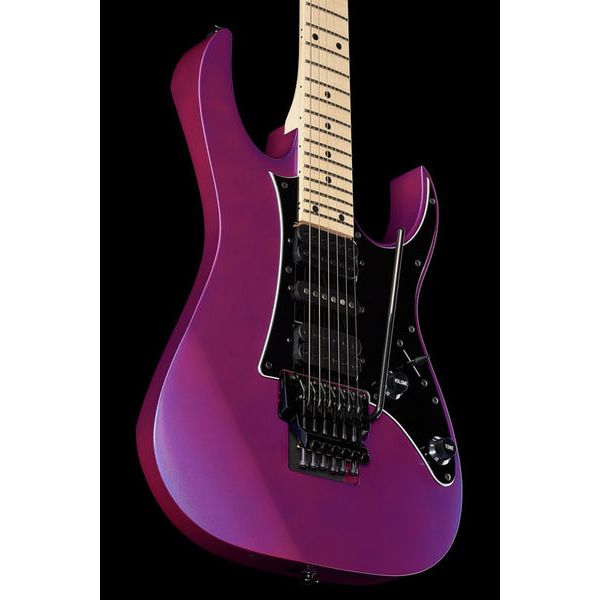
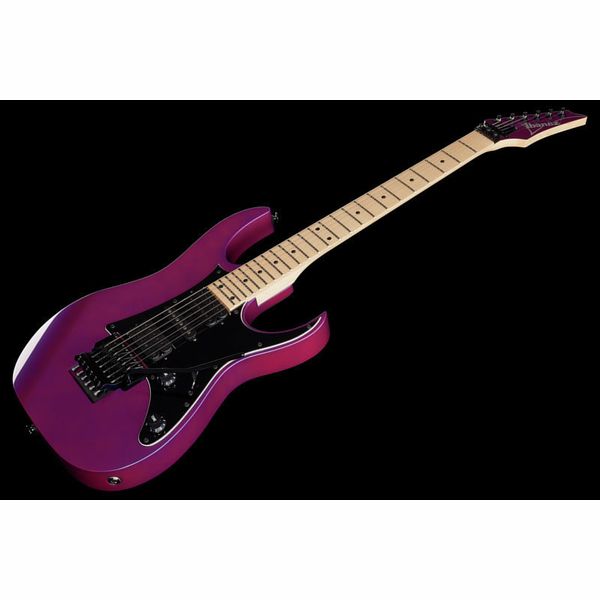
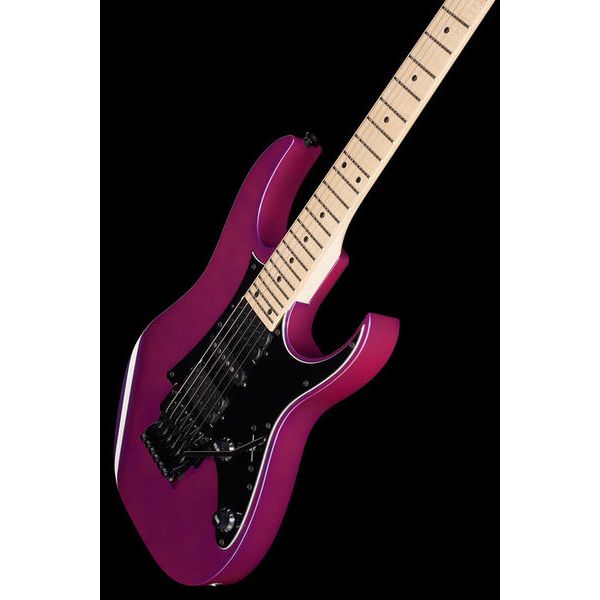
+ weight is ok, it's hefty, but not too unwieldy, RG body shape is comfortable
+ knobs feel very nice
+ frets and overall playability are decent, there's no buzz that would go through the cable, except on the 6th string at frets 2 and 7, bends/vibrato feel pleasant and don't choke
Cons:
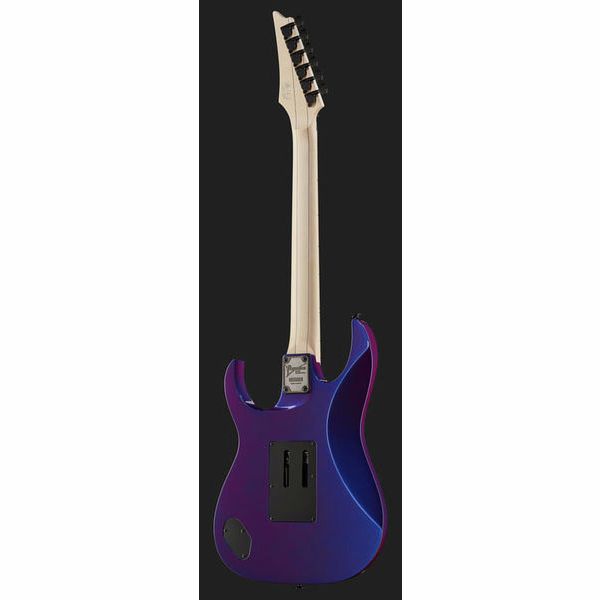
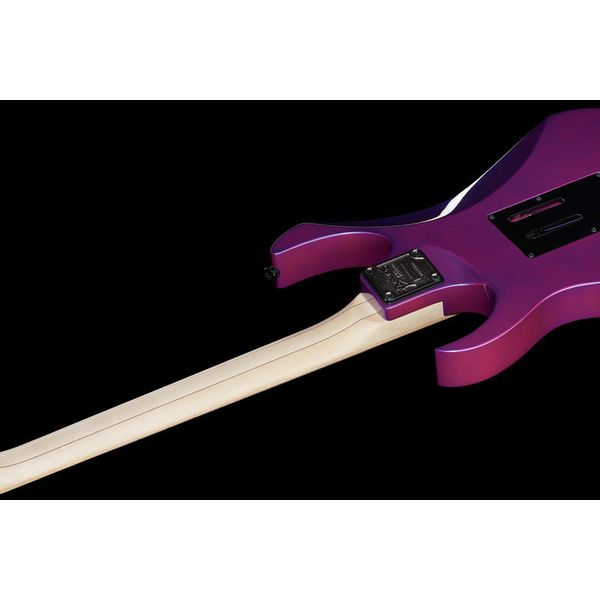
- square neck joint is noticeable; very noticeable if you want to bend/vibrato past fret 20 or so. Still playable, but requires more hand shifting than an AANJ Ibanez to play a part which involves going up high and back
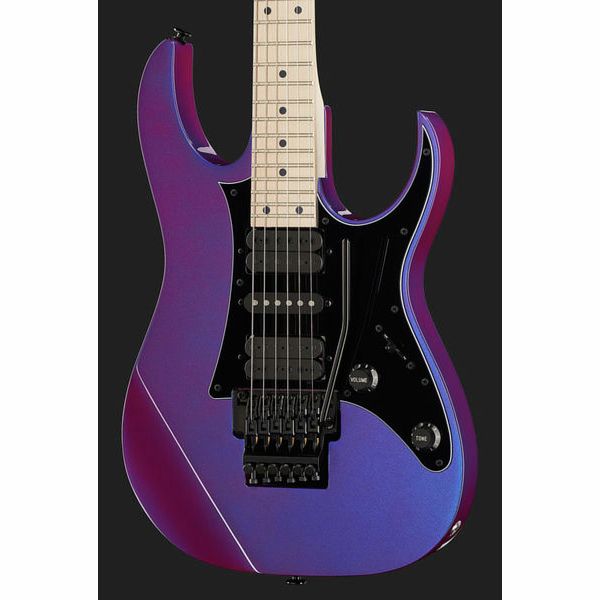
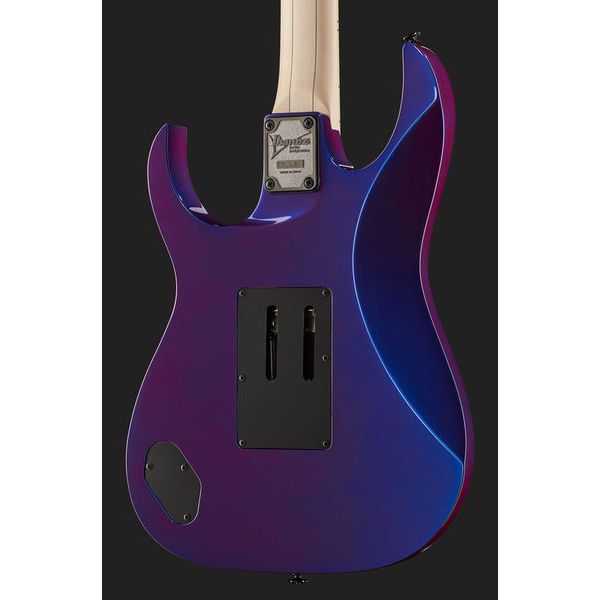
- tremolo bar socket comes very loose, just tightening it from the front is not enough, as it will come loose again in an hour of playing or so. I had to disassemble the bridge, put plumber's tape on the threads in the back and tighten the nut; now it hasn't come loose yet, but it did start making a small click on pull-up and needed to be tightened from the front again on the next day. To do that, you'll need to take the bar out every time (or find some sort of tool to do that with it inserted - tweezers or scissors maybe?), which supposedly will wear out the bar's bushings more
- on higher gain, the bridge humbucker is very noisy. Doesn't go away after adjusting height or rolling down volume/tone/audio interface input/plugin amp gain (I only play through software) - even after the sound becomes washed out. Not there when playing a note, but sounds very annoying when playing with pauses (not a noise gate issue, a more aggressive gate would start eating into the sound). On a clean tone, it's prone to breaking up, requires rolling the volume down to play cleans. Otherwise doesn't sound any different than Infinity R in my Gio
- other pickups are meh. Again, I like my Gio more both for high gain with the bridge humbucker and for cleans with the neck+bridge splits. Here positions 2 and 4 sound nearly identical and don't give you an "acoustic-y" sound. Maybe I'll find use for the middle single in some J-Rock type tones
Bonus points on the floating bridge (if you don't know what it is, how it works and how to set it up, research Ibanez Edge specifically before buying!):
+ once you do the setup and fix the arm socket, the bridge is very stable in the sense of coming back to the neutral point after dive/pull up and overall tuning stability. It's been a couple days, but it doesn't seem to lose tuning so far. Also feels very "precise", i. e. even without much experience I don't have trouble pulling it exactly a whole tone up etc (actually I do, but not more than with regular string bends)
- it is VERY sensitive, even having your hand muting the lower strings playing up high is enough to pitch it ~+10 cents or so - even when the hand is past the bridge saddles. I need to learn to have a lighter touch with it. Touching the arm even slightly when picking causes an audible pitch wobble. Out of the box even the arm's position affected the pitch (not pulling/moving it, but just having it turned towards the bridge side is ~+10 cents as opposed to the neck side), but this particular issue went away when I tightened the socket and re-set the bridge. There's just random audible pitch wobbles for no specific reason that I can identify (when I move my hand to a different position or something), I'll probably want to install a tremsetter
- blocking it (which you'll need to do to set it up or when changing strings) is also a pain, there's no included tool for that, and the cavity walls don't feel parallel to the block; as in pushing whatever you're blocking it with deeper moves the tone block or pushes the whole thing up from the posts. A relatively easy solution I found is taking the biggest hex key (for neck adjustment), wrapping several wraps of electrical tape around it's shorter side until it's the right thickness and using that. You'll still need to be very careful with it and find the precise position where the bridge will be level, and it's gonna stick out from the back while you tune
- scale length adjustment is just a huge pain, the worst of the whole process, not much more to say (and it wasn't exactly right out of the box). They do have a separately sold special tool for that, though
Overall, it's decent, but in hindsight I think I'd probably be just as happy with a ~$550 RG470 or something
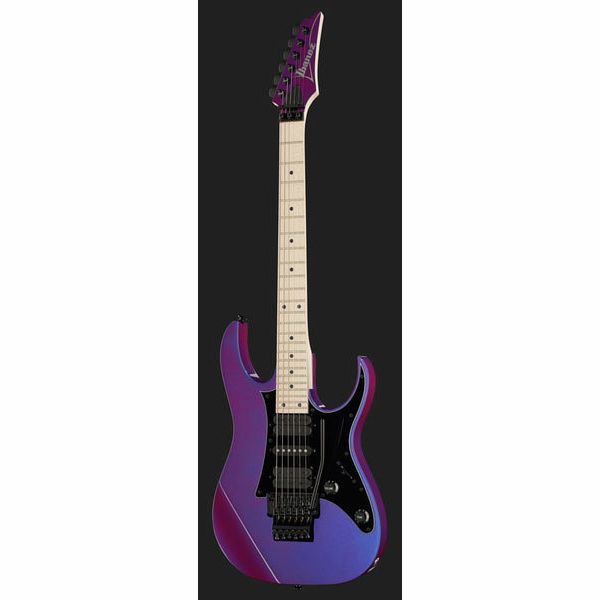
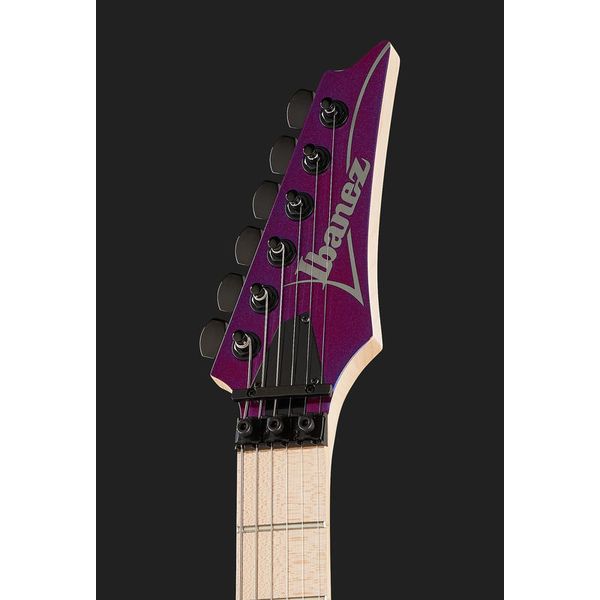
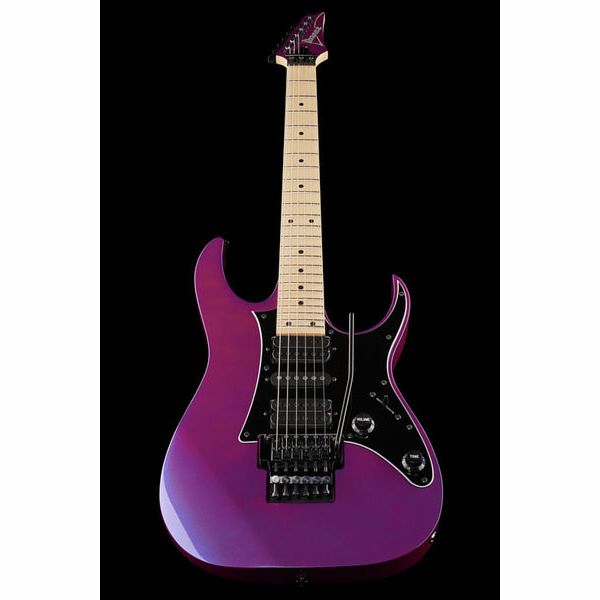
P. S. the "main" color is that pinkish-purple, it only goes towards violet/blue under certain viewing/light angles