


s
Avoid This Outdated E-Waste: A 16-bit Nightmare in 2026
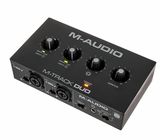
If you are looking to ruin your recordings, buy this interface. It is a cheap, outdated piece of gear wrapped in modern marketing.
Here is why this interface belongs in the trash:
• Stuck in the Past (16-Bit Audio): We are living in 2026, yet this device uses 16-bit / 48 kHz resolution. That is CD quality from the 1980s. Serious modern recording requires 24-bit audio. With 16-bit, your dynamic range is heavily cut. You will get a high noise floor and annoying background hiss on every track.
• Cheap, Noisy Preamps: Do not let the fancy "Crystal preamp" name fool you. While a +60 dB gain looks good on paper, cheap preamps hiss like a snake when you turn them up past 50%. If you try to power a hungry microphone like a Shure SM7B, your audio will be buried under a mountain of static.
• Plastic, Lightweight Build: At just 0.365 kg (less than a pound), this thing is a toy. The moment you plug in two heavy XLR cables and a 6.3mm headphone jack, the weight of the cords will pull the interface straight off your desk. It feels cheap, hollow, and ready to break.
• Shared Monitoring & Output Bottlenecks: The USB/direct monitoring switch is a lazy fix for bad latency. If you use direct monitoring to avoid lag, you cannot hear your computer's effects in real-time.
The Verdict:
Do not waste your money. Saving a few bucks on a 16-bit interface will only force you to upgrade in a month when you realize your audio sounds thin, muddy, and unprofessional. Pass on this and buy a proper 24-bit interface from a reliable brand.
0
0
Report