


Yamaha TAG3 C Sandburst

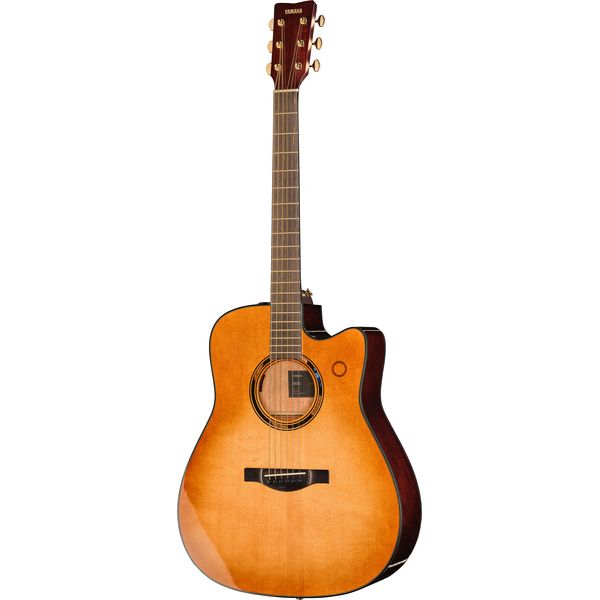
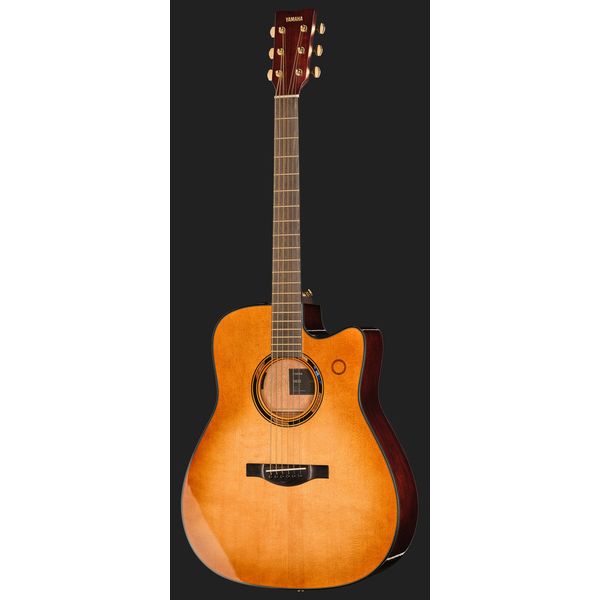
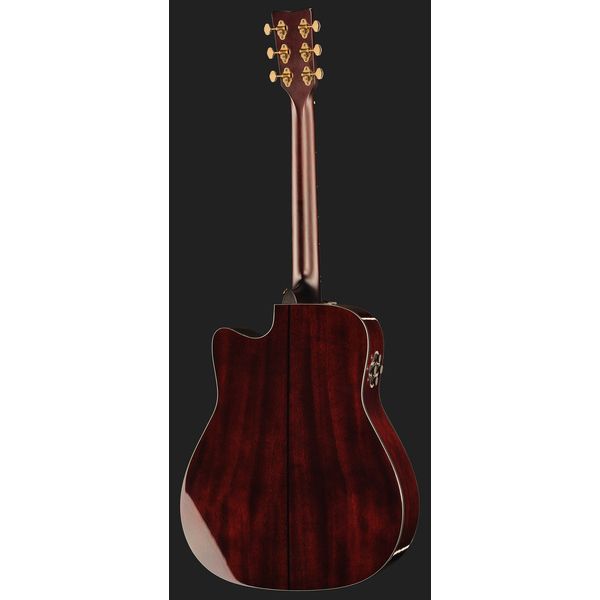
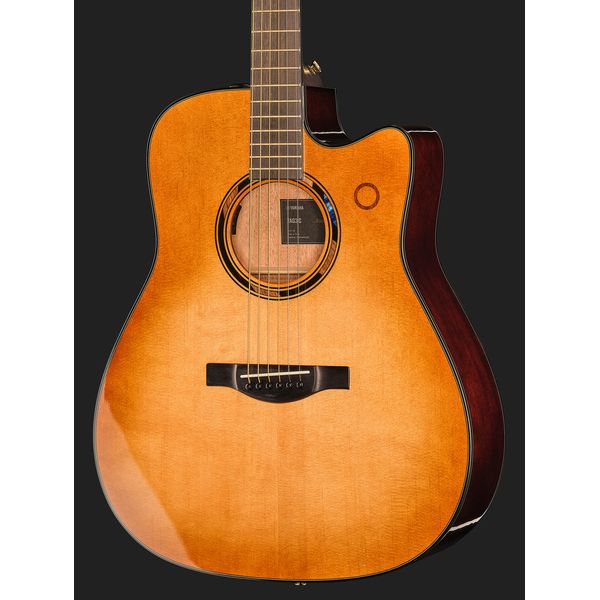
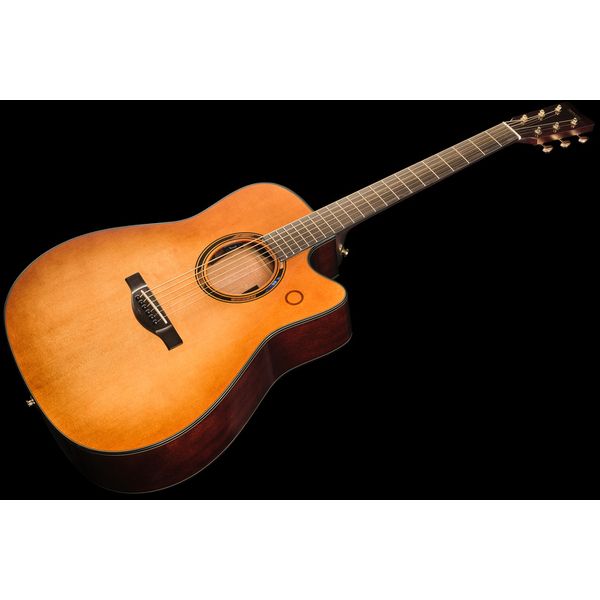
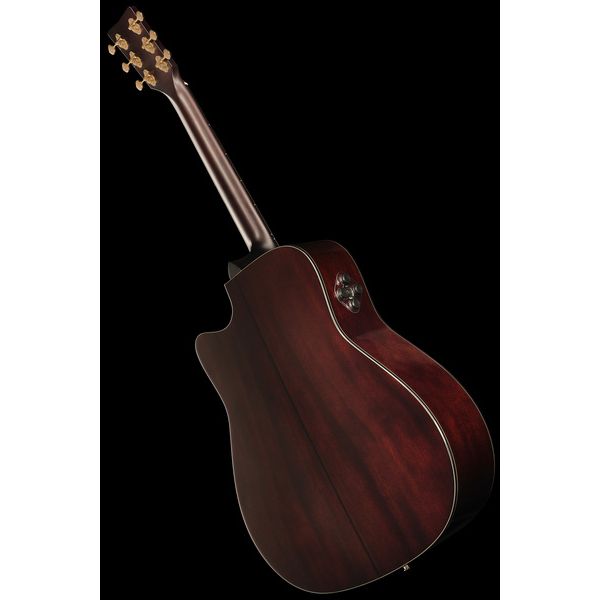
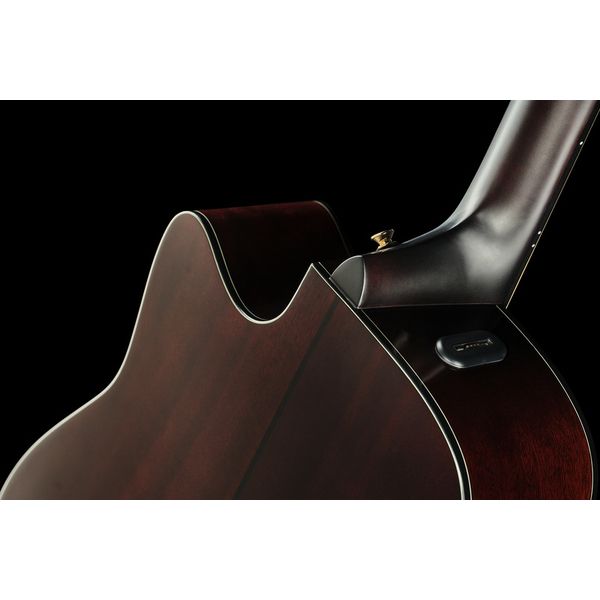
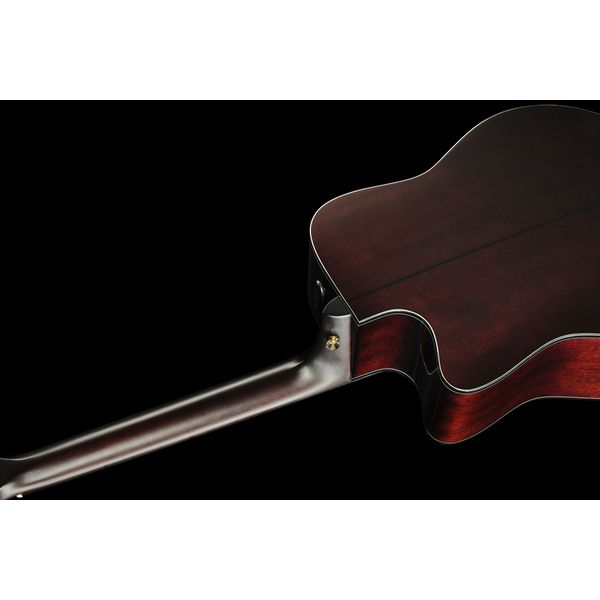
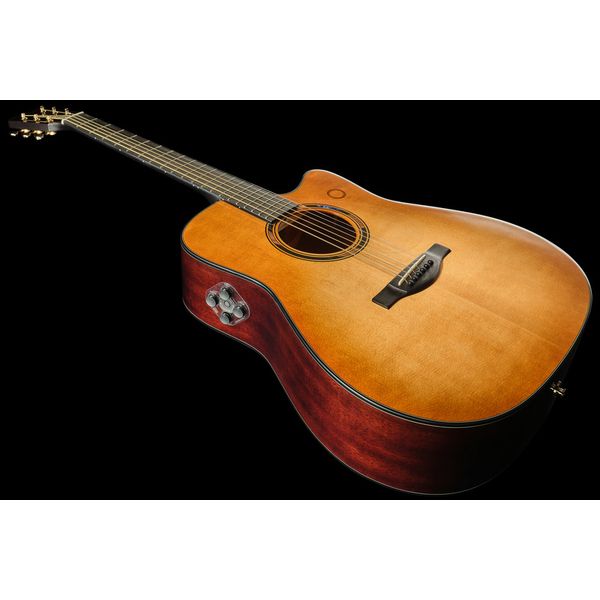
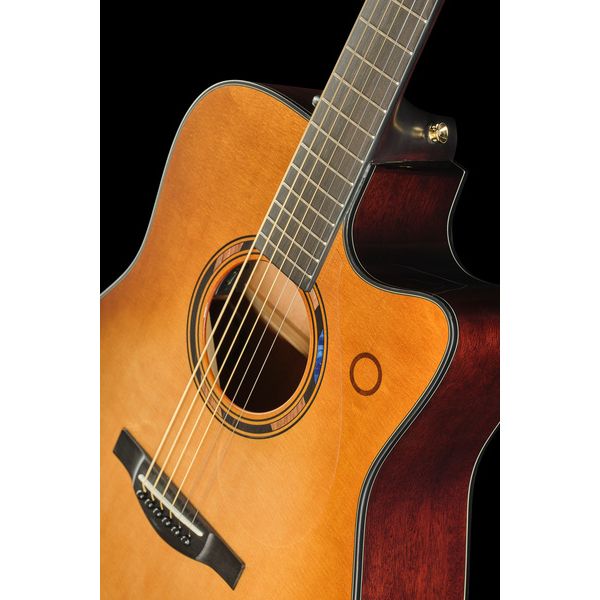
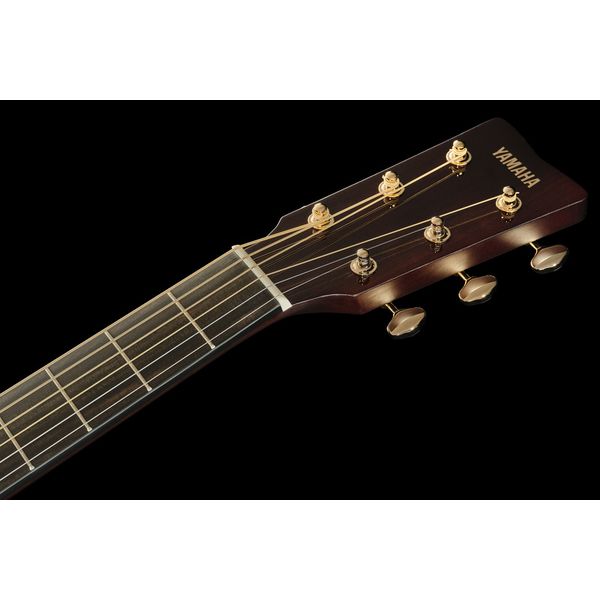
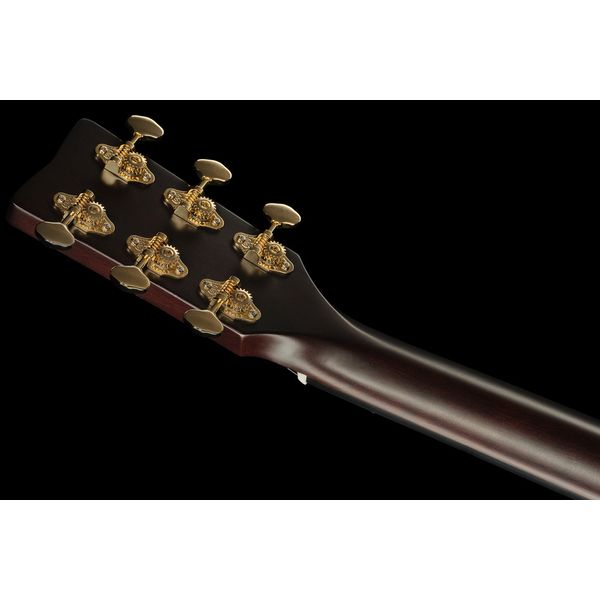


Steel-String Guitar with Pickup
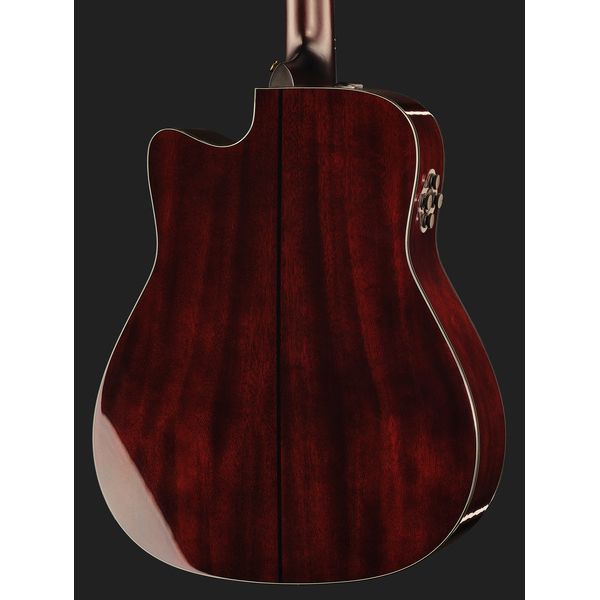
- Type: Dreadnought with cutaway
- With TransAcoustic-2 technology: Vibration drivers use the guitar's soundboard to reproduce effects without external speakers
- Built-in effects: Reverb, chorus and delay
- Built-in looper
- Bluetooth for audio playback
- Rechargeable lithium-ion battery with magnetic charging port
- Top: Solid spruce
- Back and sides: Solid mahogany
- Neck: Mahogany
- Fingerboard: Ebony
- Scale: 650 mm (25.6")
- 20 Frets
- Nut width: 44 mm
- Nut: Urea
- Transparent pickguard
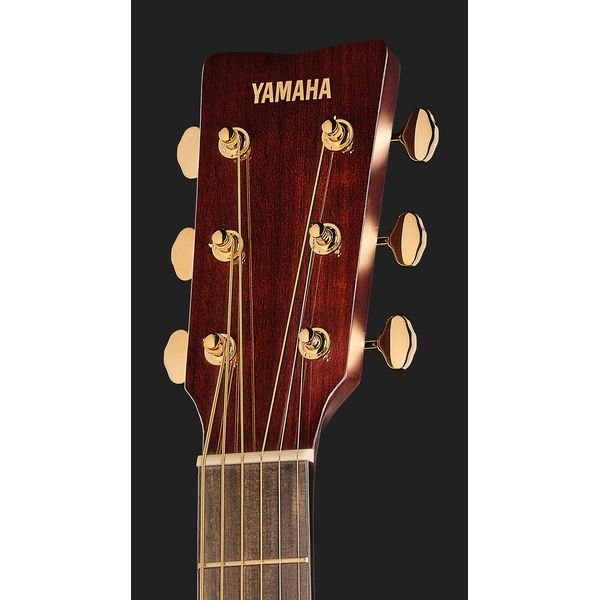
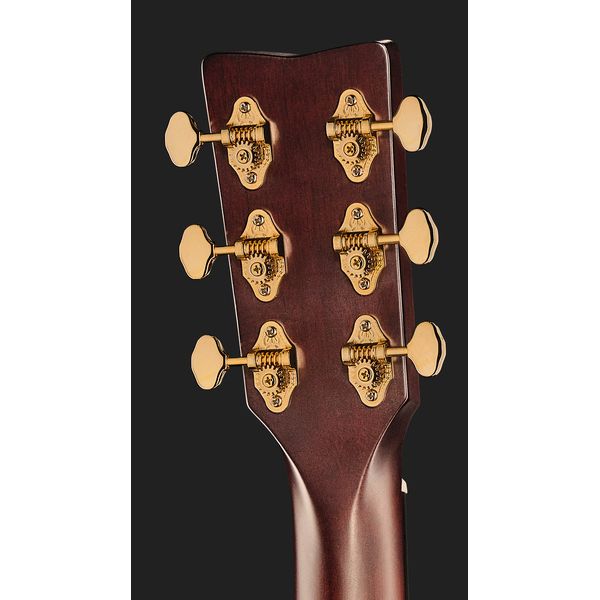
- Open machine heads in champagne gold
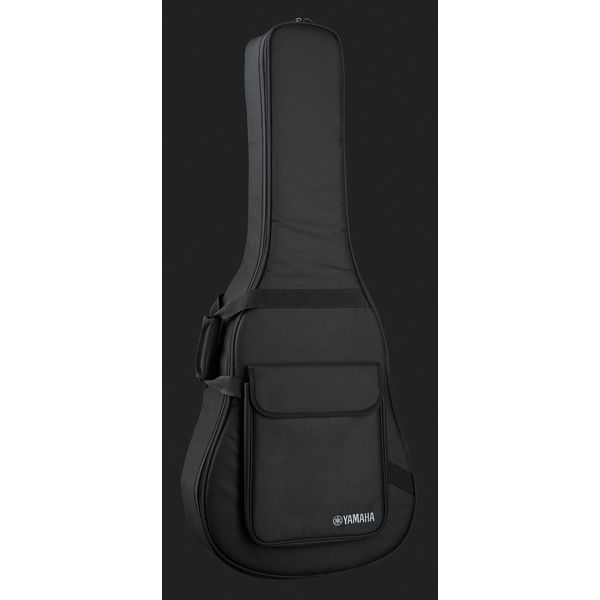
- Includes gig bag
- Finish: Sand Burst
-
Available since November 2024
-
Item number 602275
-
Sales Unit 1 piece(s)
-
Top Spruce
-
Back and Sides Mahogany
-
Cutaway Yes
-
Fretboard Ebony
-
Nut width in mm 44,00 mm
-
Frets 20
-
Pickups Yes
-
Colour Sunburst
-
Case No
-
Incl. Gigbag Yes

The acoustic guitar of the future?
)
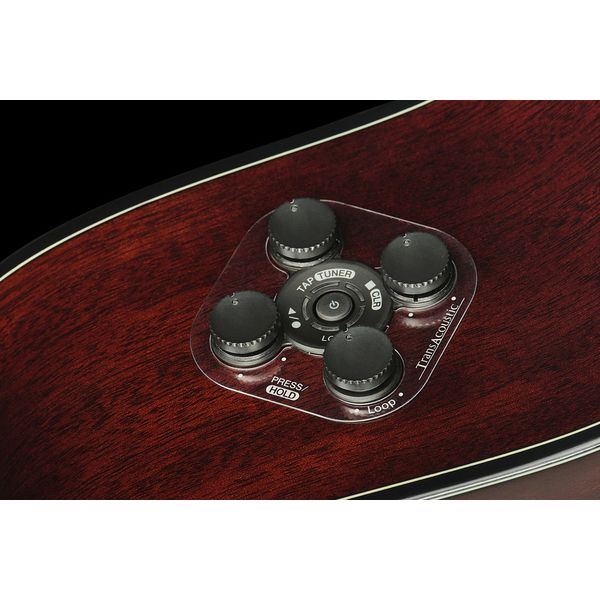
Reverb, delay, chorus, and even an integrated looper, entirely without pedals, amplifiers, or cables? Yamaha's TransAcoustic guitars have all these features built in. But not as extra gimmicks: The TransAcoustic 2 system sets the guitar's own tonewoods into motion, creating acoustically authentic effects directly within the instrument itself, without any need for separate speakers. Everything is created in and controlled directly from the guitar; the looper is particularly intuitive, as it can be operated via the dedicated control ring next to the pickguard. Making this vision of the acoustic guitar's future even more remarkable, Yamaha has added Bluetooth connectivity, allowing players to jam along with backing tracks – the system's audio reproduction is detailed enough that the instrument effectively functions as a Bluetooth speaker. Despite all these technological achievements, the Yamaha TAG3 C Sand Burst remains an all-solid wood acoustic guitar with a rich, balanced voice and a stage-ready character thanks to its integrated piezo pickup.

)
Sound from the soundboard itself
The Yamaha TAG3 C combines state-of-the-art engineering with traditional guitar craftsmanship. To reproduce effects without an amplifier or external speaker, two internal vibration drivers transfer audio signals directly into the soundboard, allowing the instrument itself to become the source of the effects. The result is an unusually immersive playing experience: It almost feels as though the guitar itself has come alive, with the effects becoming a natural extension of its voice. The onboard processor is controlled via a panel on the side, where players can adjust reverb, chorus, and delay levels, with delay times set using a familiar tap-tempo function. The effects never feel artificial or detached from the instrument, instead blending organically into the guitar's sound. The TAG app provides access to deeper editing options, while the fast-charging lithium-ion battery delivers approximately 5.5 hours of playing time on a single charge.
)
The guitar behind the technology
Even setting its TransAcoustic technology aside, the TAG3 C is a professional-grade guitar in its own right. Thanks to its premium tonewoods and Yamaha's renowned build quality, it performs exactly the way a serious acoustic instrument should. Its solid Sitka spruce top delivers a dynamic, powerful voice, while the solid mahogany back and sides contribute warmth, focus, and a rich midrange foundation. The mahogany neck is designed for modern playing styles and, together with the ebony fingerboard, allows effortless transitions between powerful strumming and intricate picking techniques. The integrated piezo pickup produces a clear, balanced signal that sounds great as-is. Yet because piezos respond by design equally to vibrations from both the strings and the soundboard, the TransAcoustic effects are captured as well. As a result, the guitar's distinctive character remains intact whether played unplugged, through an amplifier, or via a PA system.
)
About Yamaha
For decades, Yamaha has been one of the world's best-known manufacturers of musical instruments and audio technology. The Japanese company's long history began at the end of the 19th century with the harmonium. The product range has constantly expanded since then, which has made Yamaha one of the few manufacturers today to offer almost the entire range of existing musical instruments: From upright and grand pianos to guitars, wind instruments, and bowed string instruments and from drums and percussion to electronic keyboards and synthesizers. Yamaha is also a major force in the field of audio engineering as a manufacturer of mixing consoles, amplifiers, PA systems, and more. Yamaha's guiding principle is to combine traditional craftsmanship with state-of-the-art technology.
Clear and warm, full and articulate
The Yamaha TAG3 C's built-in effects deliver crystal-clear delays, warm reverbs, and lush chorus textures that add depth and dimension to every note. Thanks to the guitar's voluminous dreadnought body, it combines a strong bass response with articulate highs, making it particularly well suited to rhythm playing, although it's versatile enough for a wide variety of techniques. Its larger body especially benefits from more expansive reverb and delay sounds, which give strummed passages an impressive sense of size and fullness. Another highlight of the 3C models is the integrated looper. It allows players to record chord progressions, melodies, and rhythmic ideas on the fly before immediately playing over them. This transforms the guitar into a powerful creative tool for songwriting, practice sessions, and spontaneous jams. Although the looper operates somewhat differently from a traditional floor pedal and requires a brief adjustment period, its workflow quickly becomes intuitive. Once mastered, it feels like a natural extension of the instrument itself.
In the spotlight
The TransAcoustic series
Yamaha's TA series is available in a range of body shapes, finishes, and feature sets. What they all share is the TransAcoustic technology, which uses integrated actuators to turn the guitar's own soundboard into the source of the effects. The model names indicate both body style and feature set: TAG models are larger dreadnoughts, while TAS models are the more compact concert-style design. Models carrying the C designation also have a cutaway. The E models serve as the entry point into the TransAcoustic range and focus on the essential features: reverb and chorus. The 1C models expand the concept with delay and Bluetooth audio playback. At the top of the range, the 3C guitars add an intuitive and highly capable looper. Despite the advanced technology, every model in the series remains a high-grade acoustic guitar in its own right, so a musician's final choice will ultimately come down to which body they prefer and which features they want.
)
This is what customers who viewed this product bought
Accessories & matching items



Compare options
-
Yamaha Dreadnought Acoustic Guitars at a glance
-
Display Dreadnought Acoustic Guitars from AED 1250 - AED 1750
-
Go to product group Dreadnought Acoustic Guitars
-
Go to product group Acoustic Guitars
-
Go to product group Guitars and Basses
-
Show manufacturer details for Yamaha
-
Yamaha Guitars and Basses at a glance