



To the page content

Multi-Effect Processor

  • 4 quad-core ARM processors - 16 DSPs
  • 1600 algorithms
  • Complex effect chains
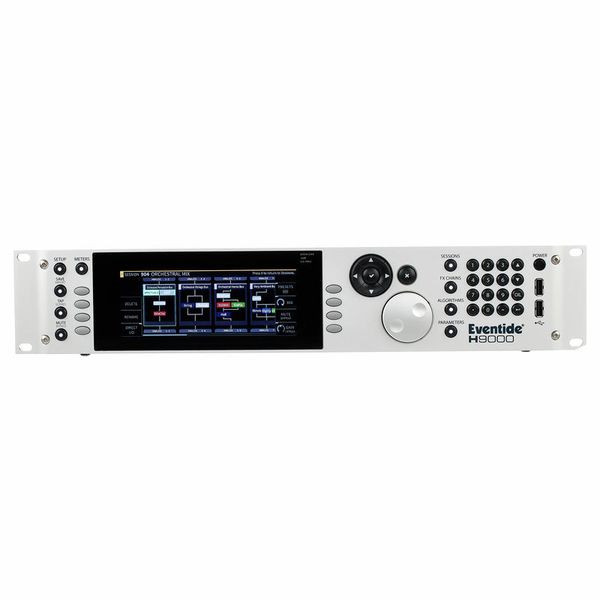
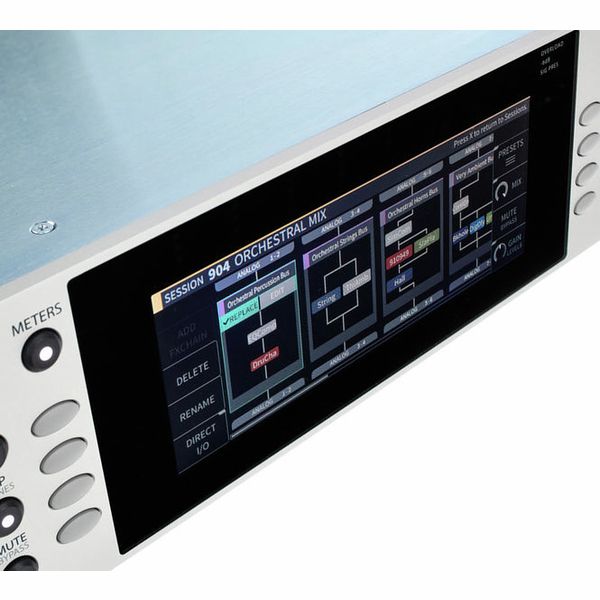
  • Large colour display
  • 8 adjustable LED meters
  • 16-channel USB audio
  • Up to 96 kHz
  • Remotely controllable via remote control software app for Mac / Windows and DAW plugin
  • 3 bays for optional MADI and Dante extensions
  • Dimensions (W x H x D): 48.3 x 8.9 x 31.7 cm
  • Weight: 6.4 kg

Connections:

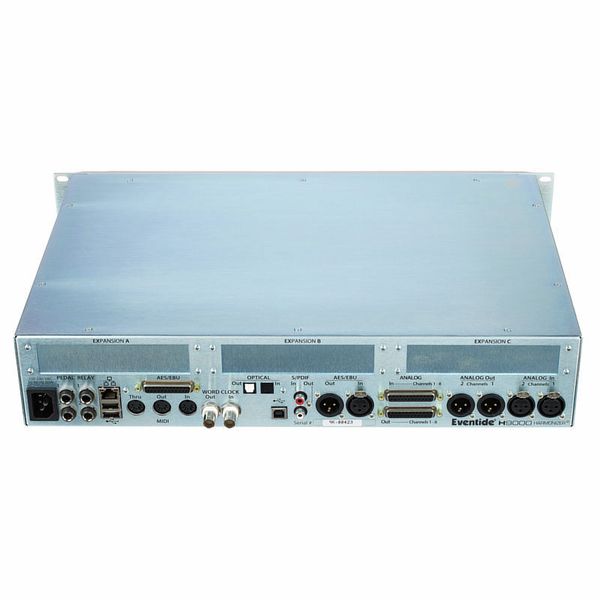
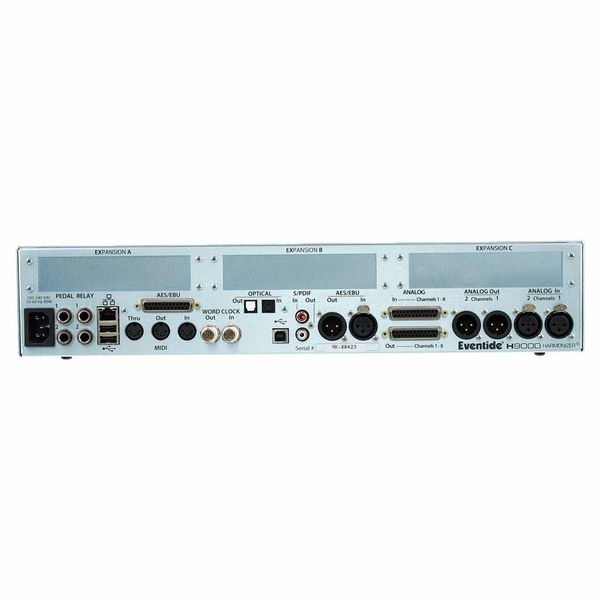
  • 8x Line input Sub-D25
  • 2x Line input XLR
  • 8x Line Output Sub-D25
  • 2x Line output XLR
  • AES / EBU input and output
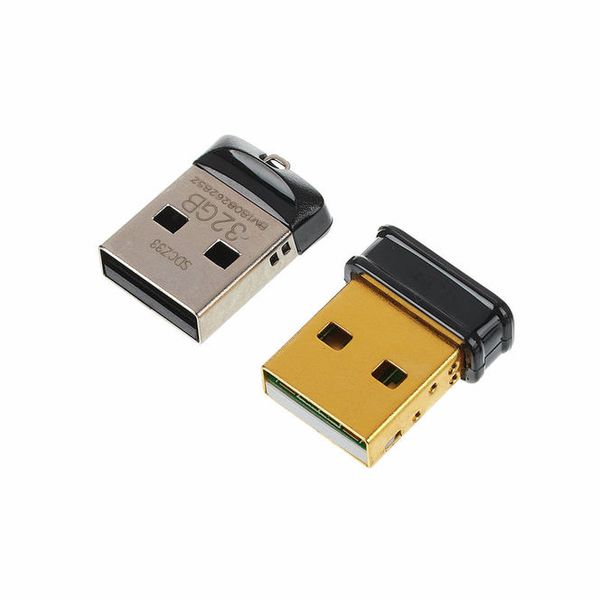
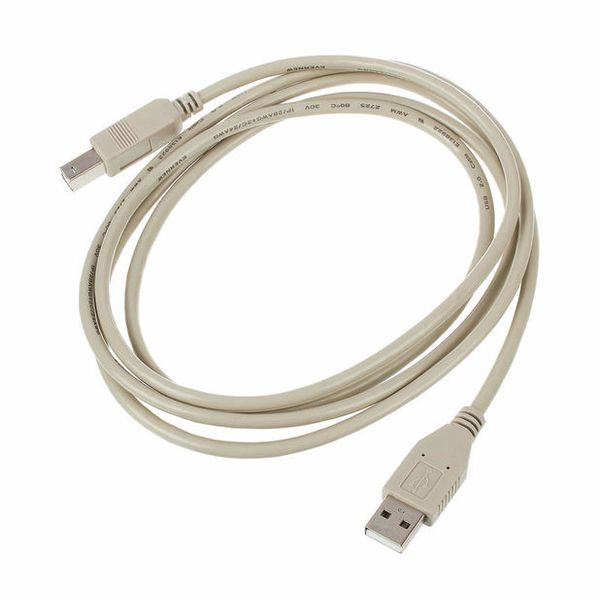
  • 4x USB
  • S / PDIF coaxial and optical / ADAT
  • Word Clock input and output
  • MIDI in / out / thru
  • 2 foot pedal inputs, 6.3 mm jack
  • Ethernet port
  • Available since October 2018
  • Item number 441712
  • Sales Unit 1 piece(s)
  • 19" Rack Unit Yes
  • Saveable Effects Yes
  • MIDI-capable Yes
  • Footswitch connection Yes
  • Microphone Input No
29.799 AED 6.973,95 €
The price in AED is a guideline price only
Since we ship from Germany, additional costs through taxes and customs may be incurred
In stock
1

The new generation of harmonisers

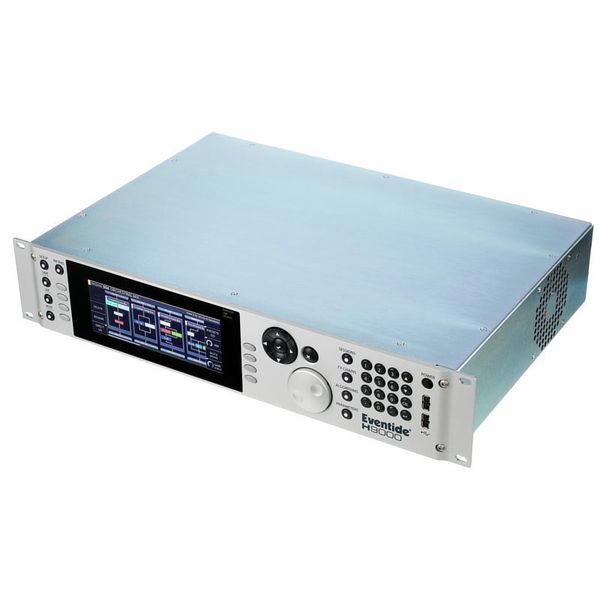
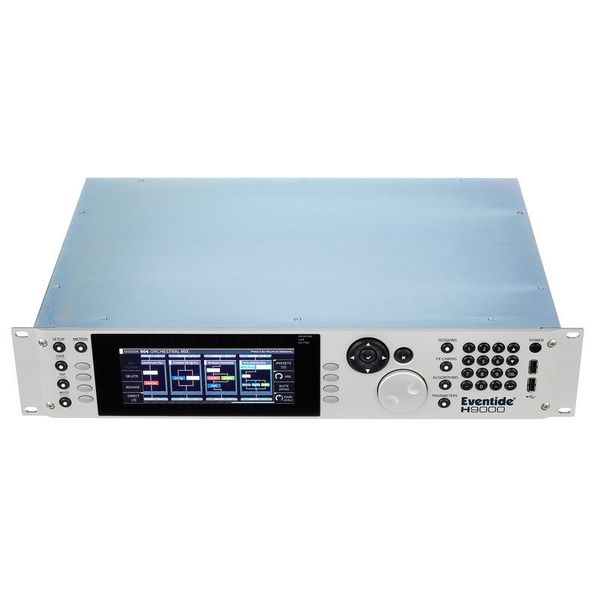
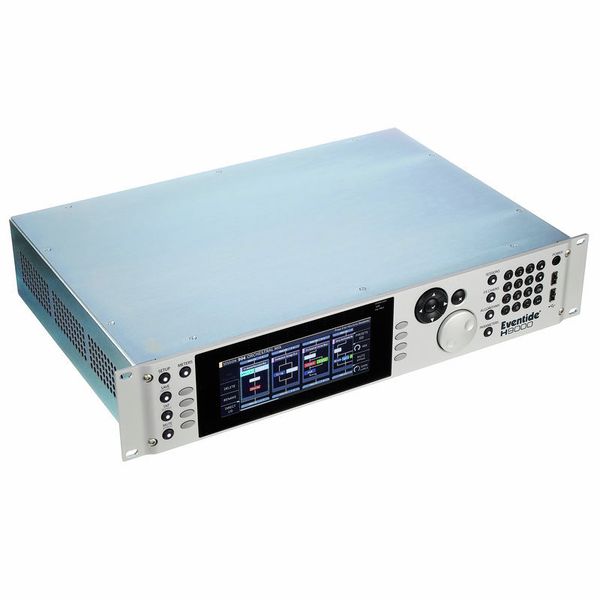
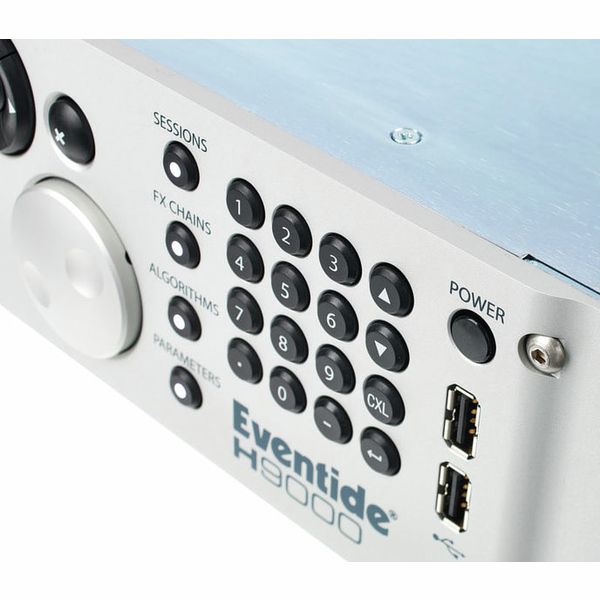
The Eventide H9000 is more than just a multi-effects processor; it's the natural successor to the H8000FW, powered by four quad-core ARM processors that allow up to 16 stereo effects to run in parallel, delivering unparalleled sonic flexibility. Its innovative FX Chain feature lets users create up to four effect chains, each with four algorithms, which can be combined in series or parallel for endless creative possibilities. The front panel is impressive and intuitive, with a large colour display, a classic control layout, additional soft keys alongside the screen, and illuminated function keys: The Emote software mirrors the front panel’s navigation, providing seamless, full-featured control in a familiar digital environment.

A wealth of functions and connections

The Eventide H9000 is a versatile multi-channel effects processor that occupies just 2U in a rack, offering extensive I/O, expansion, and networking options, with eight analogue inputs and outputs and eight digital AES interfaces in Sub-D format on the rear panel, while AES channels 1 and 2 and the first two analogue I/O pairs are also available as XLR connectors. Additional digital connectivity includes SPDIF and ADAT, and expansion card slots allow integration of Pro Tools, MADI, Dante, Ravenna, and AES67 cards, each supporting up to 32 I/O channels. Compatible with standard sample rates from 44.1 to 96kHz – excluding ADAT due to S/MUX limitations – the H9000 connects seamlessly via USB, LAN, or Wi-Fi, with a wireless dongle included for effortless setup and control.

Sophisticated device for the state-of-the-art studio

Equipped with an extensive library of newly developed effects, Eventide classics, and all H9 effects, the H9000 stands proudly alongside its predecessors, with consistently high-quality performance across its 1600 algorithms. Thanks to the Emote software, the FX Chain function, and enhanced computing power, these effects can be used in entirely new and creative ways, while a built-in sound card allows the unit to function as a 16-channel USB audio interface. All eight analogue inputs and outputs can be integrated via the internal routing options in the Direct I/O window, expanding existing setups with eight high-quality converters or serving as a versatile hardware patchbay. Of course, adding an H9000 to a studio's setup represents a significant investment, making it a particularly attractive option for professionals.

About Eventide

The US manufacturer Eventide is one of the pioneers of digital audio technology. The company has existed since the early 1970s and began with developments in the broadcasting sector and digital delay effects. As early as 1974 they unveiled the H910, a pitch shifter revolutionary at the time. The H3000 (1986) was a milestone in the field of digital effects and was very popular with professional musicians in recording studios and live performances. The following generations of this model were ever more powerful and culminated in the current flagship H9000. Since 2007, Eventide has also been developing compact pedals, primarily for guitarists and keyboard players. To this day, Eventide's algorithms are considered among the best on the market.

The Emote software suite

Remote operation of the H9000 is handled either through the stand-alone Emote application for Mac and PC or via its plug-in version in VST, AU, and AAX formats, providing a highly convenient and intuitive interface that will simplify any workflow. Setup configurations, FX chains, algorithms, and presets can be effortlessly dragged and dropped from the browser into the main window, while a series of tabs grant direct access to device properties, configuration menus, and FX chains. Parameters are easily controlled via MIDI or USB, with each control opening a dedicated menu for mapping options, and the plug-in version also supports full parameter automation within the DAW, making precise control and integration seamless.

1 Customer ratings

1 / 5

handling

features

sound

quality

1 Review

e
Plugins are better, stay away.
ekoloud 14.11.2018
So how to start,
I was excited about the arrival of this machine to my studio but, unfortunately, did not last long.
I really wanted to be amazing, I really wanted to keep it but, you will see why I had no other option but return it.
Because its a complex machine I first read the manual. Seems an easy to operate device and the software (terrible looking and not user-friendly at all) helps to be faster to edit things. The display has a low resolution and does not look nice for today standards and for this price.
With time I felt comfortable enough to be fast using only the hardware dials and that is the pleasant side of using a machine like this.
The device looks great and the buttons and jog wheel are super nice as well however, on the first day of operation I started to hear an annoying sound from the jog wheel...there was a loose screw inside!! For a machine this price that is quite unacceptable. The fix is super easy but it's so unreachable that my only option was to send it back to be opened by a professional. That was out of the question so, moving on to the sound.
After I set it up trough adat and the machine was finally sounding, I decided to try the plates. I am a reverb freak and wanted to see how the h9000 could hold on against the Uad Emt plate. Guess what? The h9000 had no chance against the plugin. The h9000 plate algorithm is not nice, the tails sound very springy and metallic in a bad way and no matter how hard I tried to tweak the settings I could not get it to sound as good as the Uad. I mean even a free plate plugin from sound toys sounded better then the Eventide.
I thought probably the plates were not the h9000 biggest selling point and I moved on to halls and rooms.
Here, the comparison was again with the Uad but this time with a Lexicon. While I could have similar results to my ears Uad was still a winner. Again that springy tail was not as obvious as on the plate but was still there. Maybe you could find a use to them but hey, for 7000¤ sounding similar to a plugin is not really favouring the hardware.
I moved on again and tried the chorus. Again plugin seems to be a winner.
Moved to Distortion. Sound toys was a winner without much effort.My 20 year old Korg AM8000R is better in most cases also(tip tip, it costs around 150¤today)
I was started to get very sad and disappointed...there was nothing so far that this machine could do exceptionally well.
I thought "ok eventide is known as a harmonizer so, at least the harmonizer must be great". Reality is, Eventide could not even copy their very own harmonizer h910 to the h9000. From what I hear even eventide plugin of the h910 sounds better than the algorithms in the h9000, for real!!
So at this point, I tought there really must be something wrong with the algorithms porting onto this machine. Everybody speaks wonders of the h9 pedals and the h8000 but this one has something wrong with it.
I read that porting the algorithms to this ARM-based machine is a very risky process. Also read somewhere that Eventide had to create a A.I to go through all the presets and compare if they sound the same as in the original machines. That for me already sounds very risky and prone to problems.

When I inquired eventide with my dissatisfaction and question them about the future of the machine they were very reserved about it.
They also told me they are thinking about porting some of their plugins into the h9000. I asked what is the big advantage of having the h9000 if I can run the plugins in the computer? Or what is the future plans with this machine? Did not get an answer on that. Too bad, they had a chance to convince me keeping it.

So yeah, 7000€ (in 2018) for a efx processor that does not even sound as good as plugins? you have to be crazy to get one.

What went wrong ? I don't know. Will it getter better? It's better they do it fast and come with amazing and exclusive h9000 algorithms. A few crashes and other inconveniences were also observed where the machine had to restart but, no big deal here I guess. Just updates needed.

Conclusion:
The H9000 has great potential according to the specs with the expansion cards and upgradable processors but needs to mature first.
Very nice looking machine. Nice feeling controls. Poor display resolution. Sounds bad. Maybe all the issues I reported here will easily be fixed with coming updates so standby on this machine, let pro reviews come out wait 2 or 3 years and test it in a shop with some good plugin to compare the machine with.
One last word, I think now almost in 2019 with the advance on computer power and more people developing amazing plugins i think the era of "hardware sounds better" is almost over. There are some cases where hardware still has the edge but that might decrease over time.
I will wait and maybe give it a try again in a few years.


Thank you Thomann for your return service.
handling
features
quality
sound
221
48
Report

Report