


Shure RPW200 Nexadyne 8/C

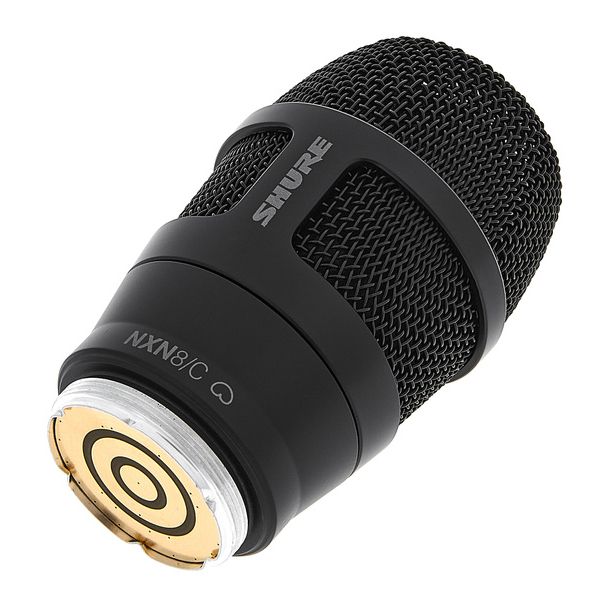
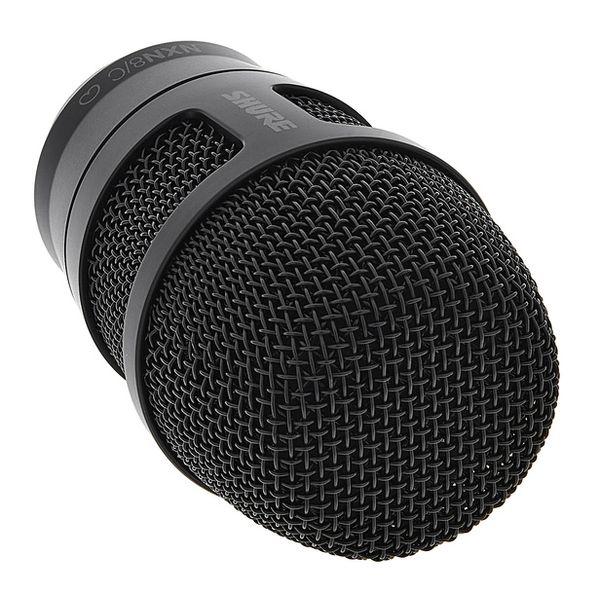
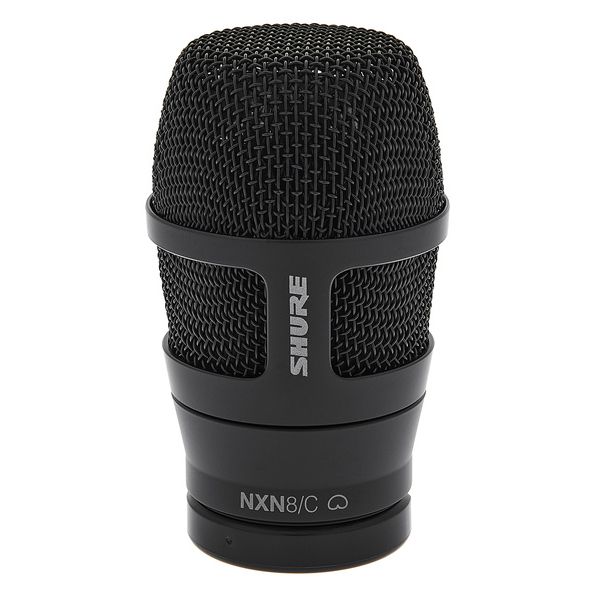
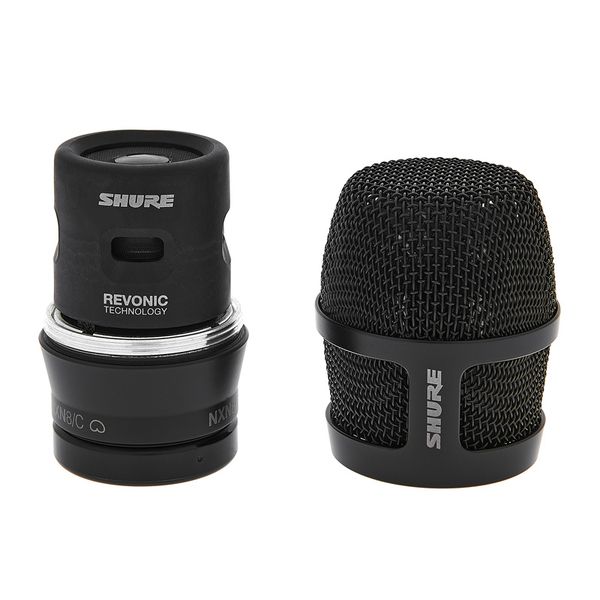
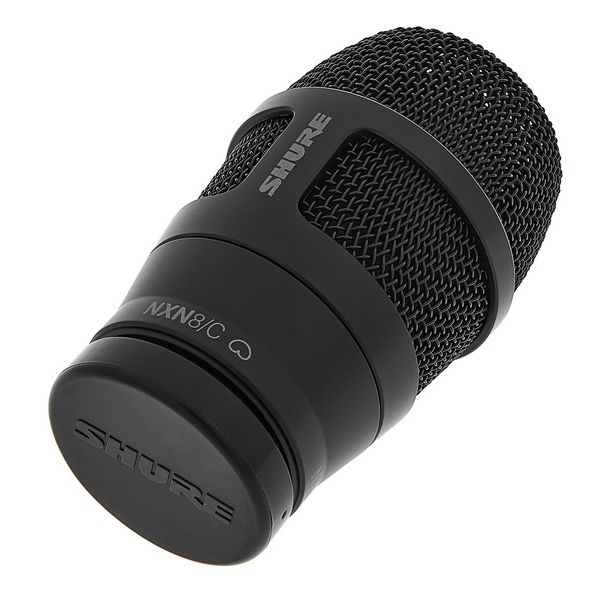
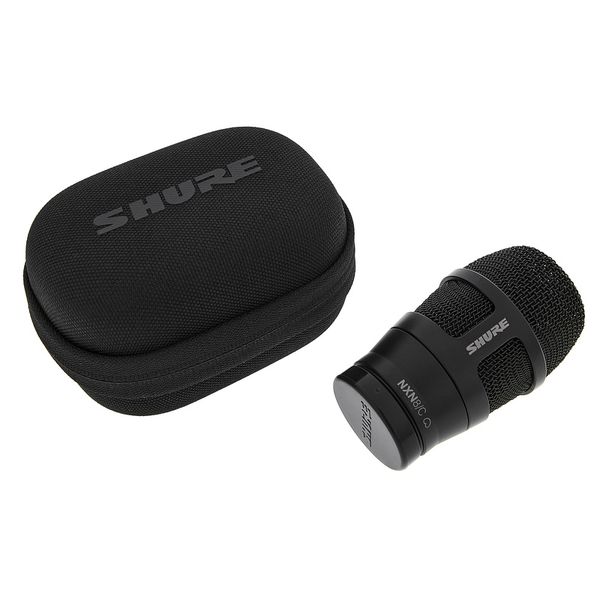


Interchangeable Dynamic Microphone Capsule
- Compatible with all Shure wireless handheld transmitters with interchangeable microphone capsules
- Polar pattern: Cardioid
- Colour: Black
-
Available since May 2024
-
Item number 591178
-
Sales Unit 1 piece(s)
-
Capsule type Dynamic
-
Directional characteristic Cardioid
-
Colour Black
-
Compatible with Shure

Linear cardioid capsule for clear vocals
The Shure RPW200 Nexadyne 8/C is a dynamic mic capsule for use with any of the manufacturer's wireless handsets. It produces a sound that stands out from the competition thanks to its cutting-edge signal processing and the outstanding consistency of its cardioid pickup pattern. Shure's patented Revonic dual-engine transducer technology ensures that singers can deliver top-notch performances with less interference. The familiar Shure build quality also means it's a solid choice for life on the road. All this combines for a true-to-life reproduction of an artist's voice, for an authentic live sound wherever the tour takes them.
)
Modern technology for maximum fidelity
The RPW200 capsule can pick up frequencies from 50Hz to 20kHz. As a dedicated vocal capsule, it's got that classic top-end lift in the response – up to 6dB between roughly 2kHz and 4kHz, as well as bumps between 6kHz and 7kHz, and another at 9.5kHz (measured when the singer is about two feet from the mic). Inside, Shure's Revonic dual-engine tech implements two precisely calibrated transducers, which works together to squeeze out maximum performance, almost eliminating the need for an EQ to tidy up the tone. The Shure RPW200 Nexadyne 8/C can simply be screwed to any compatible handset, which will pass the signal to its own XLR output. Since the capsule picks up signals at a sensitivity of -54dBV/Pa (2.00mV), plenty of gain is needed to bring it up to level.
)
Natural focus
The Shure RPW200 Nexadyne 8/C is aimed at sound engineers and singers who want an easy-to-handle vocal microphone capable of reliably delivering an authentic signal to their PA. Its cardioid pickup pattern keeps most lateral noise out of the signal, while the cutting-edge tech ensures a natural sound all the way to the back row. On top of that, the Nexadyne series is built tough, ready for the rigours of live work – with busy setups and quick tear-downs, and the everyday knocks of life on tour. The hardened grille will stop the basket from getting bent up, and the accessories it ships with make sure the mic can be set up right for any gig.
)
About Shure
The American company Shure began developing microphones during the early 1930s and is one of the pioneers of the audio engineering sector. Models such as the 55 Unidyne – known to many as the "Elvis microphone" – and the SM57 and SM58 which appeared in the mid-1960s are still ubiquitous in live sound production today. They enjoy cult status among musicians and technicians alike. In the 1990s, Shure introduced the first wireless microphones and in-ear monitoring systems and became a market leader in this field. In addition to microphones, Shure offers a wide range of earphones and headphones for studio and live use, as well as various accessories.
Mics and match
In addition to the black version of the RPW200 capsule, Shure also offers a nickel version, depending on the look of the matching handheld transmitter. Screwing the capsule onto the transmitter ensures a secure fit, and the whole mic can then be easily carried in the singer's hand for wireless voice transmission. Some Shure wireless systems feature a programmable button on the handheld transmitter, allowing options such as push-to-mute or push-to-talk for flexible control directly on the device. As always when miking up vocals, the proximity effect needs to be kept in mind: If the sound source is too close to the mic, low frequencies become more pronounced because of the pressure difference between the front and back of the diaphragm.
Accessories & matching items



Compare options
-
Shure Capsules at a glance
-
Display Capsules from AED 250 - AED 350
-
Go to product group Capsules
-
Go to product group Accessories for Wireless Systems
-
Go to product group Wireless Microphones
-
Go to product group Microphones
-
Show manufacturer details for Shure
-
Shure Microphones at a glance